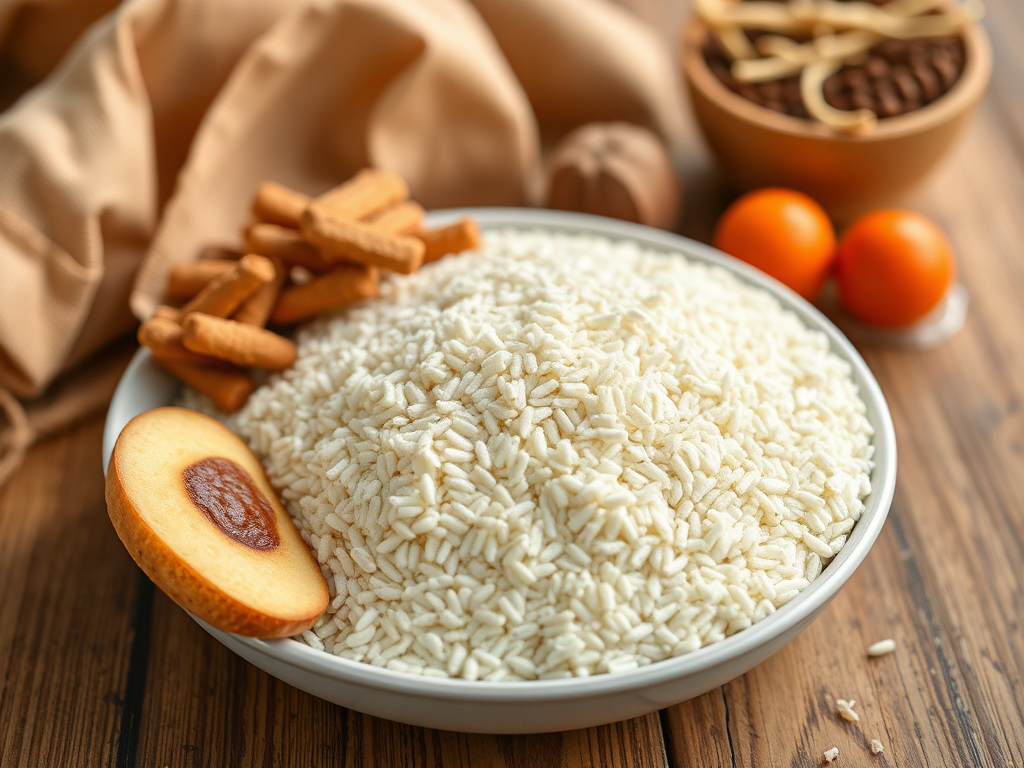
The importance of fiber in detoxing heavy metals lies in its ability to bind with toxins and facilitate their excretion from the body. Fiber-rich foods, such as fruits, vegetables, legumes, and whole grains, help reduce the absorption of heavy metals in the digestive tract. Additionally, fiber supports gut health, which is crucial for effective detoxification. Without adequate fiber, the body may struggle to eliminate these harmful substances, increasing the risk of heavy metal accumulation and related health issues.
Understanding Fiber’s Role in Detoxification
Fiber plays a critical role in detoxifying heavy metals from the body by enhancing the elimination process. It acts as a binding agent, attaching to heavy metals and preventing their absorption in the gastrointestinal tract. This mechanism is especially important for individuals exposed to heavy metals through various means, including food, water, and environmental sources.
There are two main types of dietary fiber: soluble and insoluble. Soluble fiber dissolves in water and forms a gel-like substance, which can trap harmful substances, while insoluble fiber adds bulk to the stool, promoting regular bowel movements. Both types are essential for optimal detoxification and overall digestive health.
Fiber-Rich Foods That Aid in Heavy Metal Detox
Incorporating fiber-rich foods into your diet is essential for effective heavy metal detoxification. Some key foods include:
- Fruits: Apples, pears, and berries are high in pectin, a type of soluble fiber that aids in binding heavy metals.
- Vegetables: Leafy greens like spinach and kale, as well as cruciferous vegetables such as broccoli and Brussels sprouts, are rich in fiber and nutrients that support detoxification.
- Legumes: Beans, lentils, and chickpeas provide both soluble and insoluble fiber, making them excellent choices for detoxing.
- Whole grains: Oats, quinoa, and brown rice are great sources of fiber that can help flush out toxins.
When consuming these foods, it’s essential to aim for a balanced diet that includes a variety of fiber sources to maximize detoxification benefits.
Removing Heaving Metals (Naturally) Starts with Organic Nutritional Support!
Get 40% Off Here ...

Mechanisms of Fiber in Heavy Metal Elimination
The mechanisms by which fiber aids in heavy metal elimination are multifaceted. First, fiber increases the bulk of stool, which accelerates the transit time through the digestive system, allowing for quicker removal of toxins. Second, soluble fiber forms a gel-like matrix that traps heavy metals and other toxins, preventing their absorption into the bloodstream.
Moreover, a healthy gut microbiome, supported by fiber intake, plays a crucial role in detoxification. Beneficial gut bacteria ferment fiber, producing short-chain fatty acids that enhance gut health and may further assist in the detoxification process. This symbiotic relationship between fiber and gut health emphasizes the importance of a fiber-rich diet for detoxing heavy metals effectively.
Common Mistakes in Fiber Consumption
Despite the known benefits of fiber in detoxification, many individuals make common mistakes that can hinder their efforts. One common error is failing to increase fiber intake gradually. Sudden increases can lead to digestive discomfort, such as bloating and gas. It’s essential to introduce fiber-rich foods slowly and drink plenty of water to help ease the transition.
Another mistake is relying solely on processed fiber supplements instead of whole foods. While supplements can be beneficial, they often lack the variety of nutrients found in whole foods. Prioritizing whole, fiber-rich foods ensures a broader range of vitamins, minerals, and antioxidants that support overall health and detoxification.
Frequently Asked Questions
What types of fiber are most effective for detoxing heavy metals?
Both soluble and insoluble fibers are effective; soluble fiber binds to toxins, while insoluble fiber promotes regular bowel movements.
How much fiber should I consume daily for detoxification?
Adults should aim for 25-30 grams of fiber daily, increasing intake gradually to avoid digestive discomfort.
Can fiber supplements replace whole foods for detoxing?
Whole foods are preferable as they contain additional nutrients and antioxidants that supplements may lack.
Are there any risks associated with high fiber intake?
Excessive fiber intake, especially if increased too quickly, can lead to digestive issues such as bloating, gas, and cramping.
What are some signs that fiber is aiding in detoxification?
Improved digestion, regular bowel movements, and reduced symptoms of heaviness or fatigue may indicate effective detoxification.
Conclusion
Incorporating fiber into your diet is crucial for effectively detoxing heavy metals. By understanding the types of fiber, the foods that provide them, and the mechanisms behind their detoxifying effects, you can make informed dietary choices. Prioritize whole foods rich in fiber, gradually increase your intake, and remain mindful of your body’s responses. This approach not only supports detoxification but also enhances overall health and well-being.
Effective Body Detox Should Include Organic Nutrition
Related Content
- 10 Effective Metal Detox Smoothie Tips for 2025 to Boost Your Health
- Unveiling the Hidden Reasons Behind the Slow Accumulation of Heavy Metals in the Body Over Time
- How to Use Fasting for Heavy Metal Detox
- Juicing for Heavy Metal Detox: Effective Recipes and Tips
- The Ultimate Guide to Gentle Heavy Metal Detox in 2025: 7 Effective Strategies
Further Reading
Authoritative Sources
- Library of Congress Research Guides
guides.loc.govResearch guides that help readers locate reliable background sources on a wide range of subjects.
- USA.gov Official Information and Services
usa.govOfficial U.S. government information and public resources for practical reference.
- Google Scholar
scholar.google.comAcademic search resource for finding research literature and source material.