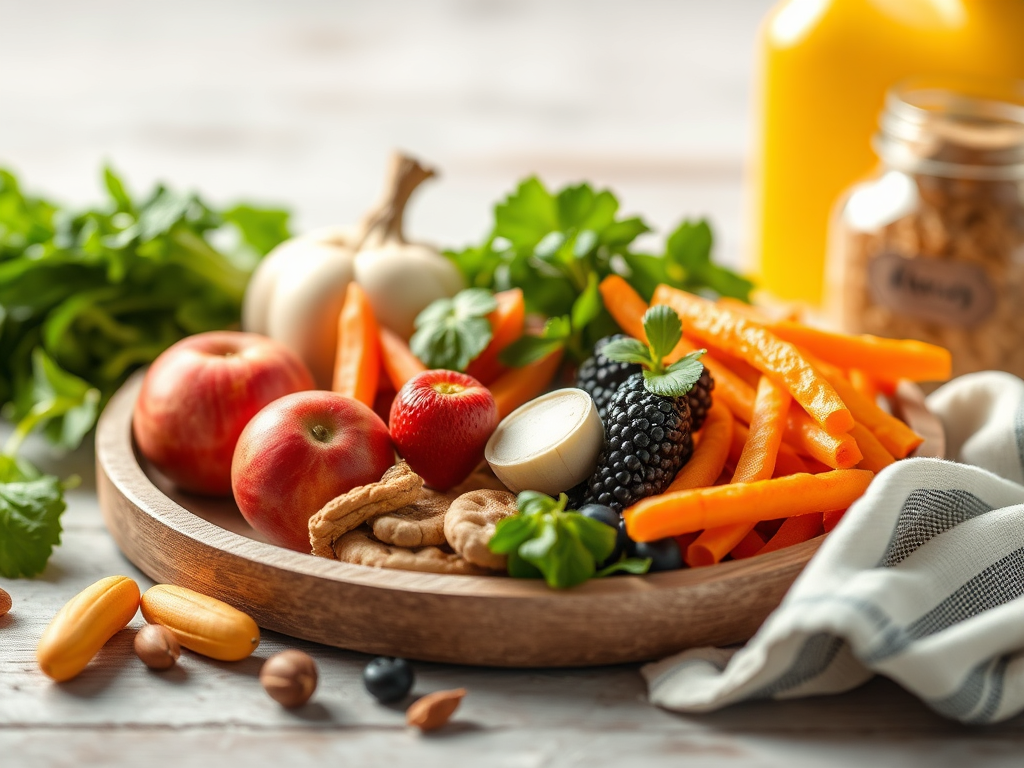
To enhance detox with specific nutrients, prioritize foods high in antioxidants, fiber, and sulfur compounds. Incorporating vitamin C, glutathione, and omega-3 fatty acids can significantly support liver function and help neutralize toxins. Leafy greens, cruciferous vegetables like broccoli and Brussels sprouts, and berries are excellent choices that promote detoxification. Additionally, ensure you maintain a balanced intake of these nutrients to optimize your body's natural detox pathways and improve overall health.
Understanding Detoxification and Its Importance
Detoxification is the body’s natural process of eliminating harmful substances, including heavy metals, chemicals, and metabolic waste. This process is crucial for maintaining optimal health and preventing chronic diseases. The liver plays a central role in detoxification, breaking down toxins and facilitating their excretion. However, modern lifestyles and environmental factors can overwhelm the body’s detox systems, making it essential to support these processes actively.
Enhancing detoxification involves not just avoiding toxins but also providing the body with the necessary nutrients to facilitate its natural processes. This includes understanding how specific nutrients contribute to detox pathways and how to incorporate them effectively into our diets.
Key Nutrients for Effective Detox
Certain nutrients are particularly effective at enhancing detoxification. These include:
- Antioxidants: Nutrients like vitamin C, vitamin E, and selenium help neutralize free radicals, reducing oxidative stress on the body.
- Glutathione: This powerful antioxidant is crucial for detoxification, as it binds to toxins, making them easier to excrete.
- Fiber: Dietary fiber supports healthy digestion and helps eliminate toxins through regular bowel movements.
- Omega-3 Fatty Acids: These fats help reduce inflammation and support liver health, aiding in detoxification.
- Sulfur Compounds: Found in foods like garlic and onions, sulfur compounds play a vital role in detoxifying heavy metals and other toxins.
Each of these nutrients plays a specific role in detox pathways, and their synergistic effects can significantly enhance the body’s ability to eliminate toxins.
Removing Heaving Metals (Naturally) Starts with Organic Nutritional Support!
Get 40% Off Here ...

Foods to Incorporate for Enhanced Detox
Incorporating a variety of nutrient-dense foods can significantly enhance detoxification. Here are some top food choices:
- Leafy Greens: Spinach, kale, and arugula are packed with chlorophyll, which can help cleanse the blood and support liver function.
- Cruciferous Vegetables: Broccoli, cauliflower, and Brussels sprouts contain compounds that boost detoxification enzymes in the liver.
- Berries: Blueberries, strawberries, and raspberries are rich in antioxidants that help protect the body from oxidative stress.
- Citrus Fruits: Oranges, lemons, and grapefruits provide vitamin C and other compounds that enhance detoxification.
- Garlic: Known for its sulfur content, garlic supports liver function and enhances detoxification processes.
- Turmeric: This spice contains curcumin, which has anti-inflammatory properties and supports liver health.
Incorporating these foods into your diet can create a powerful foundation for enhancing detoxification and overall health.
Common Mistakes to Avoid During Detox
While enhancing detox through nutrition is beneficial, there are common pitfalls to be aware of:
- Over-restriction: Many detox diets promote extreme food restrictions, which can deprive the body of essential nutrients and lead to imbalances.
- Neglecting Hydration: Water is vital for flushing out toxins. Failing to drink enough water can hinder the detox process.
- Ignoring Individual Needs: Each person’s body responds differently to detox methods. It is important to listen to your body and adjust your approach as needed.
- Relying Solely on Supplements: While supplements can support detoxification, they should not replace whole foods that provide a broader range of nutrients.
Avoiding these mistakes will help you maximize the benefits of your detox efforts and support your health more effectively.
Effective Body Detox Should Include Organic Nutrition
Frequently Asked Questions
What nutrients enhance detoxification?
Nutrients like antioxidants, glutathione, fiber, omega-3 fatty acids, and sulfur compounds are essential for enhancing detoxification.
What foods should I eat for detox?
Incorporate leafy greens, cruciferous vegetables, berries, citrus fruits, garlic, and turmeric to support detoxification.
How does fiber help in detox?
Fiber aids digestion and promotes regular bowel movements, helping to eliminate toxins from the body.
Can I detox with supplements?
While supplements can support detox, they should not replace whole foods that provide a range of essential nutrients.
What should I avoid during a detox?
Avoid extreme restrictions, neglecting hydration, and relying solely on supplements, as these can hinder the detox process.
Conclusion
Enhancing detox with specific nutrients is a practical approach to supporting your body’s natural elimination processes. By focusing on nutrient-rich foods like leafy greens, cruciferous vegetables, and antioxidant-rich berries, you can significantly improve detoxification. It’s essential to avoid common pitfalls, such as over-restriction and neglecting hydration, to maximize the benefits of your detox efforts. Prioritize a balanced diet that incorporates a variety of these foods to support your overall health and well-being.
Effective Body Detox Should Include Organic Nutrition
Related Content
- Heavy metal detox with activated charcoal and bentonite clay
- Prioritizing Safety in Your Detox Approach: Key Steps and Considerations
- Detox Programs for Different Age Groups
- Detoxing After Exposure to Industrial Metals
- Harness Whole Food Remedies to Safely Eliminate Heavy Metals and Reclaim Vibrant Wellness
Further Reading
Authoritative Sources
- Library of Congress Research Guides
guides.loc.govResearch guides that help readers locate reliable background sources on a wide range of subjects.
- USA.gov Official Information and Services
usa.govOfficial U.S. government information and public resources for practical reference.
- Google Scholar
scholar.google.comAcademic search resource for finding research literature and source material.