
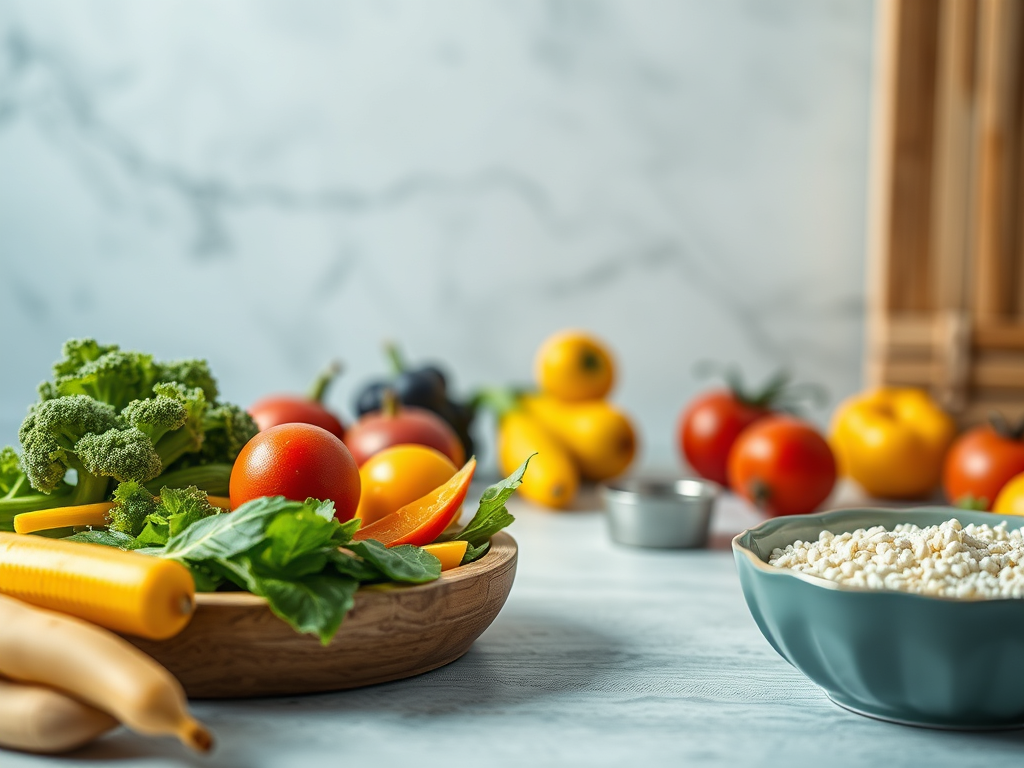
What foods help remove heavy metals include cilantro, garlic, and spirulina, which support detoxification processes in the body. These foods contain compounds that aid in binding to heavy metals, facilitating their excretion. Incorporating these items into your diet can enhance your body's natural ability to eliminate toxins while providing essential nutrients. It's important to maintain a balanced diet that includes these detoxifying foods for optimal health.
Understanding Heavy Metal Toxicity
Heavy metal toxicity is a growing concern in today’s environment, as exposure to metals such as lead, mercury, and cadmium can lead to serious health issues. These metals can accumulate in the body over time, affecting various systems and leading to symptoms like fatigue, cognitive decline, and immune dysfunction. Understanding how these metals enter the body and their potential health impacts is crucial for effective management and prevention.
Heavy metals can enter the body through contaminated food, water, and air, as well as through occupational exposure. For example, fish can contain high levels of mercury, while certain vegetables may be grown in contaminated soil. Recognizing the sources of heavy metal exposure is the first step in mitigating its effects. Dietary choices play a significant role in detoxification, and certain foods can help remove these harmful substances from the body.
Understanding Heavy Metal Toxicity matters because it turns foods help remove heavy metals from a broad idea into a decision the reader can actually apply. The practical difference usually shows up in the details: how much is needed, when the choice is made, what tradeoff is acceptable, and what sign shows the approach is working. For nutrition topics, the strongest advice connects portion size, food quality, timing, and recovery instead of treating every meal as a fixed serving.
A useful way to handle this section is to compare the normal baseline with the situation that creates extra demand. If heavy is the baseline concern, then metals becomes the adjustment point and body becomes the outcome to watch. That keeps the advice specific without forcing the reader into a rigid formula that may not fit their routine, budget, tolerance, schedule, or current level of experience.
The most common mistake is changing too many variables at once. A better approach is to choose one measurable adjustment, use it consistently long enough to see a pattern, and then refine the next step based on energy, comfort, performance, safety, or reliability. This makes the guidance easier to trust because the reader can connect the recommendation to what they observe rather than guessing from a generic checklist.
The practical takeaway is to make the section actionable: identify the main constraint, choose the smallest useful change, and compare the result against the goal. When the outcome improves, the reader can keep the approach. When it does not, the next change should target the most likely bottleneck rather than repeating the same step with more effort.
Cilantro: Nature’s Heavy Metal Detoxifier
Cilantro, often referred to as coriander in its seed form, is a powerful herb known for its ability to help remove heavy metals from the body. Its unique composition includes compounds that bind to heavy metals, facilitating their excretion through urine. This process is essential for reducing the toxic burden on the body.
Research suggests that cilantro can effectively mobilize mercury and lead, making it a popular choice for those looking to detoxify. Incorporating cilantro into meals can be simple; it can be added to salads, smoothies, and salsas. However, it’s important to consume it fresh, as cooking can diminish its detoxifying properties.
One common misconception is that consuming large amounts of cilantro will rapidly detoxify the body. While it is beneficial, detoxification is a gradual process that requires a balanced diet and lifestyle. Moreover, individuals with allergies to cilantro should avoid it and consider alternative detoxifying herbs.
Cilantro: Nature's Heavy Metal Detoxifier matters because it turns foods help remove heavy metals from a broad idea into a decision the reader can actually apply. The practical difference usually shows up in the details: how much is needed, when the choice is made, what tradeoff is acceptable, and what sign shows the approach is working. For nutrition topics, the strongest advice connects portion size, food quality, timing, and recovery instead of treating every meal as a fixed serving.
A useful way to handle this section is to compare the normal baseline with the situation that creates extra demand. If cilantro is the baseline concern, then heavy becomes the adjustment point and metals becomes the outcome to watch. That keeps the advice specific without forcing the reader into a rigid formula that may not fit their routine, budget, tolerance, schedule, or current level of experience.
Garlic: The Power of Sulfur Compounds
Garlic is not just a flavorful addition to many dishes; it is also a potent detoxifying food. Its sulfur-containing compounds, including allicin, are known for their ability to bind with heavy metals, aiding in their removal from the body. Additionally, garlic promotes liver health, which is vital for detoxification processes.
Studies have shown that garlic can enhance the excretion of lead and cadmium, making it an excellent choice for individuals concerned about heavy metal exposure. To maximize its benefits, garlic should be consumed raw or lightly cooked, as high heat can reduce its active compounds.
A common mistake is to rely solely on garlic for detoxification. While it is effective, it should be part of a broader dietary strategy that includes a variety of other detoxifying foods. Pairing garlic with other ingredients, such as lemon juice or olive oil, can enhance its health benefits and make it more palatable.
Garlic: The Power of Sulfur Compounds matters because it turns foods help remove heavy metals from a broad idea into a decision the reader can actually apply. The practical difference usually shows up in the details: how much is needed, when the choice is made, what tradeoff is acceptable, and what sign shows the approach is working. For nutrition topics, the strongest advice connects portion size, food quality, timing, and recovery instead of treating every meal as a fixed serving.
A useful way to handle this section is to compare the normal baseline with the situation that creates extra demand. If garlic is the baseline concern, then heavy becomes the adjustment point and foods becomes the outcome to watch. That keeps the advice specific without forcing the reader into a rigid formula that may not fit their routine, budget, tolerance, schedule, or current level of experience.
Spirulina: Nutrient-Dense Algae for Detox
Spirulina, a blue-green algae, is another powerful ally in the fight against heavy metal toxicity. Rich in nutrients, spirulina is known for its ability to bind to heavy metals and promote their excretion. This makes it especially beneficial for individuals exposed to environmental toxins.
In addition to its detoxifying properties, spirulina is packed with protein, vitamins, and antioxidants, making it a great supplement for overall health. It can be consumed in powder form, added to smoothies, or taken as a supplement. However, it’s crucial to source spirulina from reputable suppliers to ensure it is free from contaminants, as some products can be contaminated with heavy metals themselves.
One limitation of spirulina is that it may not be suitable for everyone, particularly individuals with certain allergies or those who are pregnant. Consulting with a healthcare provider before adding spirulina to your diet is advisable.
Authoritative Sources
- Cilantro and Heavy Metal Detoxification
ncbi.nlm.nih.govThis research explores the detoxifying properties of cilantro in relation to heavy metals.
- The Role of Garlic in Detoxification
ncbi.nlm.nih.govThis study highlights garlic’s sulfur compounds and their effectiveness in removing toxins.
- Spirulina: Nutritional Benefits and Detoxification
ncbi.nlm.nih.govAn overview of spirulina’s health benefits and its role in detoxifying heavy metals.
Spirulina: Nutrient-Dense Algae for Detox matters because it turns foods help remove heavy metals from a broad idea into a decision the reader can actually apply. The practical difference usually shows up in the details: how much is needed, when the choice is made, what tradeoff is acceptable, and what sign shows the approach is working. For nutrition topics, the strongest advice connects portion size, food quality, timing, and recovery instead of treating every meal as a fixed serving.
A useful way to handle this section is to compare the normal baseline with the situation that creates extra demand. If spirulina is the baseline concern, then heavy becomes the adjustment point and metals becomes the outcome to watch. That keeps the advice specific without forcing the reader into a rigid formula that may not fit their routine, budget, tolerance, schedule, or current level of experience.
Frequently Asked Questions
What are the symptoms of heavy metal toxicity?
Symptoms can include fatigue, headaches, cognitive issues, and digestive problems. Chronic exposure can lead to more severe health issues.
How can I incorporate cilantro into my diet?
Cilantro can be added to salads, smoothies, and salsas. It's best used fresh to retain its detoxifying properties.
Is garlic effective for detoxification?
Yes, garlic contains sulfur compounds that help bind to heavy metals and support liver health, enhancing detoxification.
What is spirulina, and how does it help detox?
Spirulina is a nutrient-dense algae that binds to heavy metals, aiding in their excretion while providing essential nutrients.
Can heavy metal detoxification be done safely at home?
Yes, incorporating detoxifying foods like cilantro, garlic, and spirulina can be done safely at home, but it's important to consult with a healthcare provider for personalized advice.
Conclusion
Incorporating foods like cilantro, garlic, and spirulina into your diet can significantly aid in removing heavy metals from the body. These foods not only support detoxification but also provide essential nutrients that contribute to overall health. However, it’s important to approach detoxification as part of a balanced diet and lifestyle, rather than relying solely on individual foods. Regularly consuming a variety of detoxifying foods, staying hydrated, and consulting with healthcare professionals when necessary can enhance your body’s natural detoxification processes.
Effective Body Detox Should Include Organic Nutrition
Related Content
- How to Handle Detox Symptoms and Side Effects
- Integrative Approaches to Treating Heavy Metal Toxicity
- Achieve Optimal Health with a Natural Cleanse for Toxic Metals: Your Guide to Safe and Effective Detoxification
- Heavy metal detox using zeolite clay
- Detoxifying Herbs for Metals: Effective Choices for Natural Cleansing
Further Reading
Authoritative Sources
- Library of Congress Research Guides
guides.loc.govResearch guides that help readers locate reliable background sources on a wide range of subjects.
- USA.gov Official Information and Services
usa.govOfficial U.S. government information and public resources for practical reference.
- Google Scholar
scholar.google.comAcademic search resource for finding research literature and source material.