
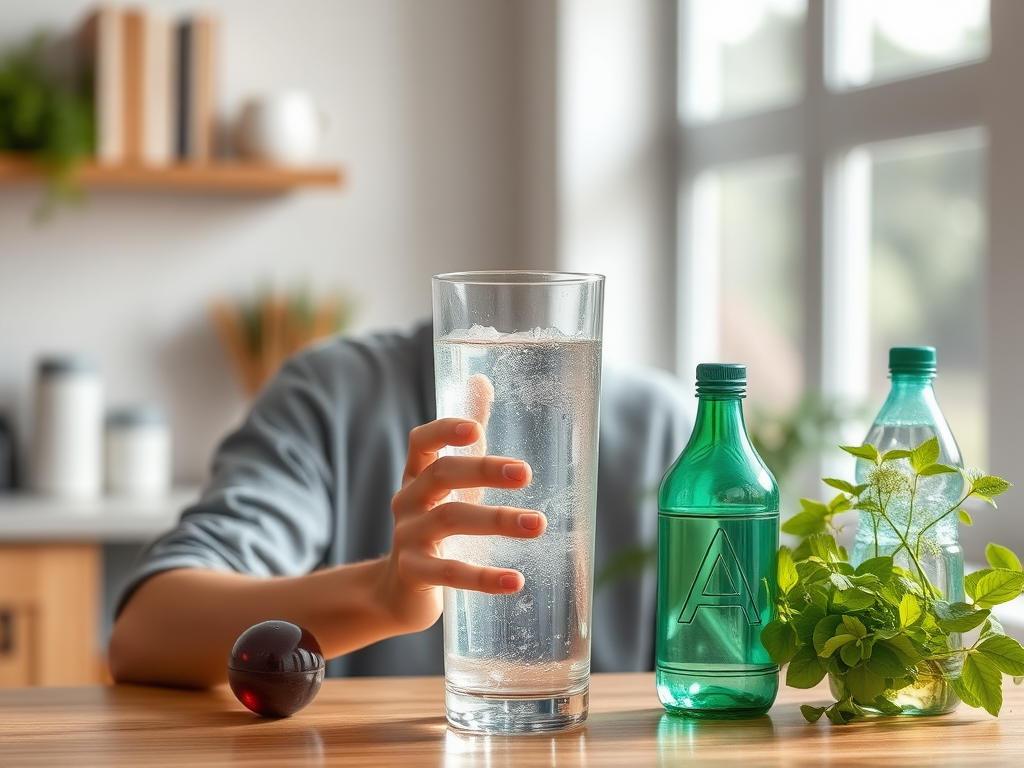
The effects of hydration on detox success are significant, as adequate water intake facilitates the elimination of toxins, supports kidney function, and improves digestion. Hydration helps maintain optimal bodily functions, enabling the liver and kidneys to efficiently filter out heavy metals and other harmful substances. Moreover, drinking sufficient water can alleviate symptoms associated with detoxification, such as fatigue and headaches, enhancing overall detox success.
Understanding the Role of Hydration in Detoxification
Hydration plays a crucial role in the detoxification process by assisting the body’s natural ability to eliminate toxins. Water is vital for various physiological functions, including nutrient transport, waste removal, and temperature regulation. During detox, the body works to expel harmful substances, including heavy metals, through urine, sweat, and feces. Adequate hydration ensures that these processes function optimally, enhancing the overall success of detoxification.
When the body is well-hydrated, the kidneys can efficiently filter blood and produce urine that helps flush out toxins. Furthermore, proper hydration supports liver function, which is essential for metabolizing and breaking down harmful substances. A well-hydrated body is better equipped to handle the demands of detoxification, leading to more effective cleansing outcomes.
Understanding the Role of Hydration in Detoxification matters because it turns the effects of hydration on detox success from a broad idea into a decision the reader can actually apply. The practical difference usually shows up in the details: how much is needed, when the choice is made, what tradeoff is acceptable, and what sign shows the approach is working. For nutrition topics, the strongest advice connects portion size, food quality, timing, and recovery instead of treating every meal as a fixed serving.
A useful way to handle this section is to compare the normal baseline with the situation that creates extra demand. If hydration is the baseline concern, then detoxification becomes the adjustment point and body becomes the outcome to watch. That keeps the advice specific without forcing the reader into a rigid formula that may not fit their routine, budget, tolerance, schedule, or current level of experience.
The most common mistake is changing too many variables at once. A better approach is to choose one measurable adjustment, use it consistently long enough to see a pattern, and then refine the next step based on energy, comfort, performance, safety, or reliability. This makes the guidance easier to trust because the reader can connect the recommendation to what they observe rather than guessing from a generic checklist.
The practical takeaway is to make the section actionable: identify the main constraint, choose the smallest useful change, and compare the result against the goal. When the outcome improves, the reader can keep the approach. When it does not, the next change should target the most likely bottleneck rather than repeating the same step with more effort.
How Dehydration Impacts Detox Success
Dehydration can significantly hinder detoxification efforts, leading to an array of complications. When the body lacks sufficient water, the kidneys struggle to filter waste, which can result in the buildup of toxins in the bloodstream. This can exacerbate symptoms associated with detox, such as headaches, fatigue, and irritability.
Moreover, dehydration can cause the digestive system to become sluggish, making it more difficult to eliminate waste effectively. This stagnation can lead to constipation and increased absorption of toxins back into the bloodstream. It is essential to recognize that even mild dehydration can impair detox success, making it vital to prioritize hydration throughout the cleansing process.
How Dehydration Impacts Detox Success matters because it turns the effects of hydration on detox success from a broad idea into a decision the reader can actually apply. The practical difference usually shows up in the details: how much is needed, when the choice is made, what tradeoff is acceptable, and what sign shows the approach is working. For nutrition topics, the strongest advice connects portion size, food quality, timing, and recovery instead of treating every meal as a fixed serving.
A useful way to handle this section is to compare the normal baseline with the situation that creates extra demand. If detox is the baseline concern, then success becomes the adjustment point and dehydration becomes the outcome to watch. That keeps the advice specific without forcing the reader into a rigid formula that may not fit their routine, budget, tolerance, schedule, or current level of experience.
The most common mistake is changing too many variables at once. A better approach is to choose one measurable adjustment, use it consistently long enough to see a pattern, and then refine the next step based on energy, comfort, performance, safety, or reliability. This makes the guidance easier to trust because the reader can connect the recommendation to what they observe rather than guessing from a generic checklist.
The practical takeaway is to make the section actionable: identify the main constraint, choose the smallest useful change, and compare the result against the goal. When the outcome improves, the reader can keep the approach. When it does not, the next change should target the most likely bottleneck rather than repeating the same step with more effort.
Practical Hydration Strategies for Effective Detox
To enhance detox success through proper hydration, consider implementing the following strategies:
- Set Daily Water Goals: Aim to drink at least half your body weight in ounces of water daily. For example, if you weigh 150 pounds, target 75 ounces of water each day.
- Incorporate Hydrating Foods: Include fruits and vegetables with high water content, such as cucumbers, oranges, and watermelon, to boost hydration levels.
- Monitor Urine Color: A pale yellow color indicates proper hydration, while dark yellow suggests dehydration. Use this as a guideline for your water intake.
- Drink Herbal Teas: Herbal teas can contribute to hydration while providing additional health benefits. Consider options like dandelion or nettle tea, which may support liver function.
- Limit Diuretics: Reduce the intake of caffeinated beverages and alcohol, as they can lead to increased fluid loss and dehydration.
By adopting these strategies, you can ensure that your body remains adequately hydrated, promoting effective detoxification and overall health.
Effective Body Detox Should Include Organic Nutrition
Practical Hydration Strategies for Effective Detox matters because it turns the effects of hydration on detox success from a broad idea into a decision the reader can actually apply. The practical difference usually shows up in the details: how much is needed, when the choice is made, what tradeoff is acceptable, and what sign shows the approach is working. For nutrition topics, the strongest advice connects portion size, food quality, timing, and recovery instead of treating every meal as a fixed serving.
A useful way to handle this section is to compare the normal baseline with the situation that creates extra demand. If hydration is the baseline concern, then water becomes the adjustment point and detox becomes the outcome to watch. That keeps the advice specific without forcing the reader into a rigid formula that may not fit their routine, budget, tolerance, schedule, or current level of experience.
Signs of Proper Hydration During Detox
Recognizing the signs of proper hydration is essential for ensuring that your detox efforts are successful. Some key indicators include:
- Consistent Urination: Regular bathroom visits, particularly with clear or light yellow urine, indicate good hydration levels.
- Stable Energy Levels: Adequate hydration helps maintain energy levels throughout the day, reducing feelings of fatigue.
- Clear Skin: Well-hydrated skin appears more elastic and can reflect overall health, indicating effective detoxification.
- Optimal Digestion: Regular bowel movements and the absence of constipation suggest that hydration is supporting digestive health during detox.
Monitoring these signs can help you adjust your hydration strategies and ensure that you are maximizing your detox success.
Signs of Proper Hydration During Detox matters because it turns the effects of hydration on detox success from a broad idea into a decision the reader can actually apply. The practical difference usually shows up in the details: how much is needed, when the choice is made, what tradeoff is acceptable, and what sign shows the approach is working. For nutrition topics, the strongest advice connects portion size, food quality, timing, and recovery instead of treating every meal as a fixed serving.
A useful way to handle this section is to compare the normal baseline with the situation that creates extra demand. If hydration is the baseline concern, then detox becomes the adjustment point and success becomes the outcome to watch. That keeps the advice specific without forcing the reader into a rigid formula that may not fit their routine, budget, tolerance, schedule, or current level of experience.
The most common mistake is changing too many variables at once. A better approach is to choose one measurable adjustment, use it consistently long enough to see a pattern, and then refine the next step based on energy, comfort, performance, safety, or reliability. This makes the guidance easier to trust because the reader can connect the recommendation to what they observe rather than guessing from a generic checklist.
Effective Body Detox Should Include Organic Nutrition
Related Content
- Foods That Support Natural Detox of Metals: Effective Choices for Cleansing Your Body
- How Detox Affects Blood Health
- How to Detox Arsenic: 7 Effective Strategies for 2025
- Harness the Power of a Plant-Based Heavy Metal Cleanse to Reclaim Vibrant Energy Naturally
- 2025 Guide: 7 Powerful Foods That Detox Heavy Metals Naturally
Further Reading
Authoritative Sources
- Library of Congress Research Guides
guides.loc.govResearch guides that help readers locate reliable background sources on a wide range of subjects.
- USA.gov Official Information and Services
usa.govOfficial U.S. government information and public resources for practical reference.
- Google Scholar
scholar.google.comAcademic search resource for finding research literature and source material.