
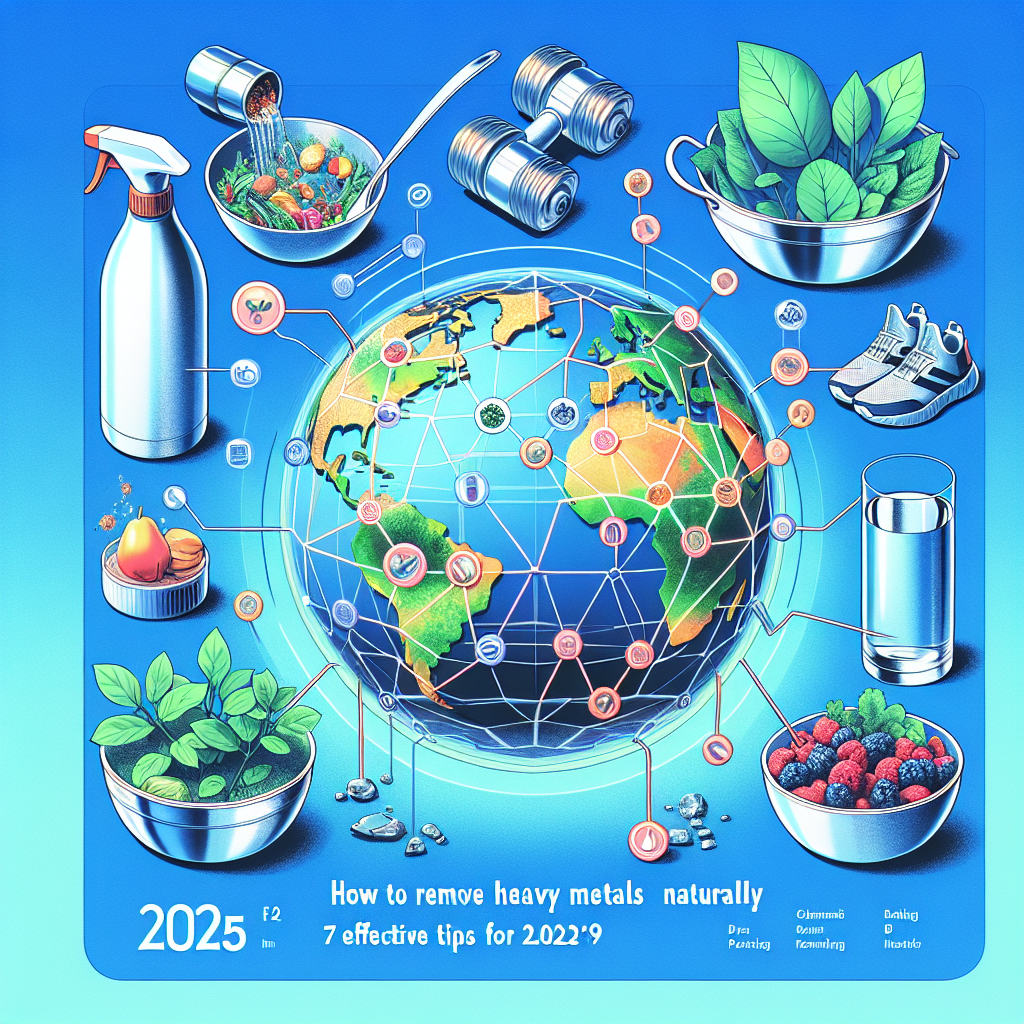
Understanding the importance of these foods is crucial for anyone concerned about heavy metal exposure, which can come from various sources, including polluted air, contaminated water, and certain foods. By prioritizing these natural detoxifiers, you can enhance your body’s ability to process and eliminate harmful substances. However, it’s important to recognize that while these foods can aid detoxification, they should not replace medical treatment for heavy metal toxicity.
Many people mistakenly believe that detoxification is solely about eliminating unhealthy foods or taking supplements. In reality, a balanced diet rich in specific nutrients plays a vital role. By focusing on foods that support natural detox of metals, you can create a sustainable approach to health that prioritizes prevention and ongoing wellness.
Key Foods for Detoxification
Incorporating specific foods into your diet can significantly aid in the natural detoxification of metals. Leafy greens such as spinach and kale are packed with chlorophyll, which helps bind toxins and facilitate their elimination. Cruciferous vegetables like broccoli and Brussels sprouts contain glucosinolates, compounds that enhance liver detoxification processes.
Besides greens, garlic is another powerhouse in detoxification. It contains sulfur compounds that help detoxify heavy metals and enhance the production of glutathione, a critical antioxidant. Fruits such as berries and citrus are also beneficial due to their high vitamin C content, which can support the body’s natural detoxification pathways.
To maximize the benefits of these foods, consider incorporating a variety of them into your meals. For example, a salad with kale, broccoli, and a citrus vinaigrette not only tastes great but also provides a robust detoxification boost. Additionally, understanding the seasonal availability of these foods can help ensure you are consuming them at their peak nutritional value.
Mechanisms of Detoxification
The detoxification process in the body involves several mechanisms, primarily occurring in the liver, kidneys, and intestines. Foods that support natural detox of metals enhance these processes by providing essential nutrients that facilitate the breakdown and elimination of toxins.
For instance, the liver metabolizes toxins and heavy metals through conjugation, where substances are made water-soluble for easier excretion. Nutrients such as B vitamins, magnesium, and antioxidants from detox-supporting foods play critical roles in this process, ensuring that the liver functions optimally.
Moreover, fiber from fruits, vegetables, and whole grains helps bind toxins in the digestive tract, promoting their elimination through bowel movements. This underscores the importance of dietary diversity in supporting the body’s natural detoxification efforts. Prioritizing whole foods that are rich in these nutrients can significantly enhance your body’s ability to detoxify effectively.
Common Mistakes in Detox Diets
Many individuals make mistakes when attempting to detoxify their bodies, often overlooking the essential role of food. A common misconception is that simply avoiding certain foods is enough for detoxification. While eliminating processed foods and sugars is beneficial, it is equally crucial to include foods that actively support detoxification.
Another mistake is relying solely on supplements or detox drinks without addressing dietary habits. While some supplements can aid detoxification, they cannot replace the complex interactions of nutrients found in whole foods. Focusing on a balanced diet rich in detox-supporting foods is a more effective strategy.
It’s also important to recognize that detoxification is not a one-time event but an ongoing process. Regularly incorporating detox-supporting foods into your diet is key to maintaining optimal health. Avoiding crash diets or extreme detox programs can help you establish a more sustainable approach to detoxification.
Effective Body Detox Should Include Organic Nutrition
Integrating Detox Foods into Your Diet
Integrating foods that support natural detox of metals into your daily meals can be straightforward and enjoyable. Start by planning meals that include a variety of detox-supporting foods. For example, consider adding spinach to smoothies or using garlic in cooking to enhance flavor and health benefits.
Meal prepping can also be a practical strategy to ensure you always have detox-friendly options on hand. Prepare large batches of vegetable soups or salads that include a mix of greens, cruciferous vegetables, and beans to create nutrient-dense meals. This not only saves time but also makes it easier to stick to your detox goals.
Moreover, consider experimenting with herbs and spices that enhance detoxification, such as turmeric and ginger. These not only add flavor but also provide additional health benefits. Ultimately, the key is finding a balance that works for your lifestyle while prioritizing foods that support your body’s natural detox processes.
Further Reading
Authoritative Sources
- Dietary Approaches to Heavy Metal Detoxification
ncbi.nlm.nih.govThis article provides insights into dietary strategies that can help mitigate heavy metal toxicity
- Office of Dietary Supplements
ods.od.nih.govA resource for understanding various dietary supplements and their role in health
- Foods That Detox: 13 Foods to Help Your Body
healthline.comThis article discusses foods that support detoxification and their health benefits
Frequently Asked Questions
What are the best foods for detoxifying heavy metals?
Leafy greens, cruciferous vegetables, garlic, and berries are some of the best foods for detoxifying heavy metals.
How do these foods support detoxification?
These foods contain antioxidants and compounds that enhance liver function and promote the elimination of toxins.
Can I detox from heavy metals without supplements?
Yes, a balanced diet rich in detox-supporting foods can effectively aid in detoxification without the need for supplements.
Focusing on whole foods is a sustainable way to support your body’s natural detox processes.
How long does it take to detox from heavy metals?
The duration varies by individual and level of exposure, but incorporating detox-supporting foods regularly can expedite the process.
Are there any risks associated with detox diets?
Extreme detox diets can lead to nutrient deficiencies; it’s important to focus on balanced, nutrient-rich foods instead.
Effective Body Detox Should Include Organic Nutrition
Related Content
- Mastering the Art of Detox From Food Based Toxins: A Practical Approach to Cleaner Eating
- How to Safeguard Your Body from Toxic Metals and Restore Natural Balance Through Effective Detoxification
- How Meditation Can Support Detoxification from Heavy Metals
- Detox Strategies for Healthy Kidney Function
- Harnessing Clarity: Innovative Detox Techniques to Improve Focus With Detox