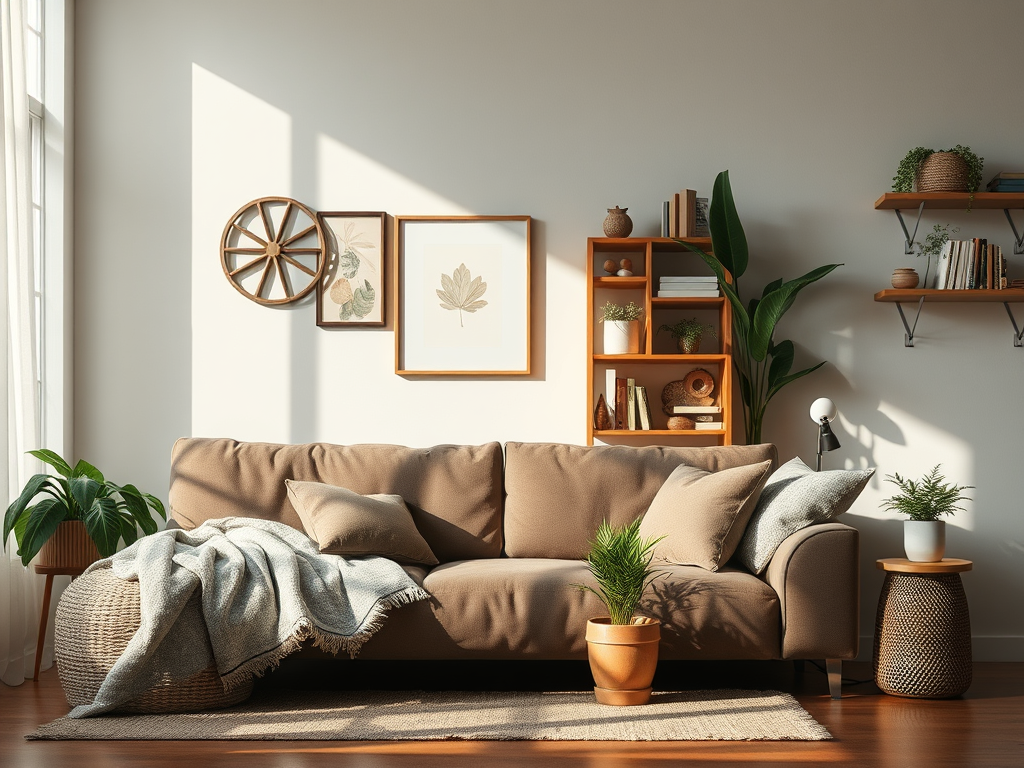
Creating a safe detox environment involves eliminating toxins from your surroundings, using natural cleaning products, and ensuring proper ventilation. Start by decluttering your space to remove potential contaminants, and switch to non-toxic materials in your home. Additionally, utilize air purifiers to filter out pollutants and maintain a balanced humidity level. Regularly check for mold and allergens, and incorporate plants that can improve indoor air quality.
Understanding Toxins in Your Environment
To effectively create a safe detox environment, it is crucial to understand the types of toxins that may be present in your living space. Common sources include household cleaners, pesticides, mold, and even furniture that off-gasses harmful chemicals. These substances can accumulate over time, leading to various health issues such as respiratory problems, allergies, and weakened immune function.
Identifying these toxins is the first step in mitigating their effects. For example, traditional cleaning products often contain harsh chemicals that can irritate the skin and respiratory system. By recognizing these hazards, you can take proactive measures to reduce or eliminate them from your home.
Steps to Detoxify Your Living Space
Detoxifying your living space involves several actionable steps. Start by decluttering; remove items that are no longer needed, as they can trap dust and allergens. Next, replace conventional cleaning products with natural alternatives, such as vinegar, baking soda, or essential oils, which can effectively clean without introducing harmful chemicals.
Additionally, consider the materials used in your home. Opt for furniture made from solid wood or sustainable materials instead of pressed wood, which can emit formaldehyde. When painting or renovating, choose low-VOC (volatile organic compounds) paints to minimize harmful emissions.
Removing Heaving Metals (Naturally) Starts with Organic Nutritional Support!
Get 40% Off Here ...

Regularly washing bedding and curtains in hot water can also help eliminate dust mites and allergens. Furthermore, investing in air quality monitors can provide insights into the levels of various pollutants in your home, allowing you to make informed decisions.
Air Quality and Its Impact on Detox
Air quality is a critical component of a safe detox environment. Poor air quality can hinder the detoxification process and exacerbate health issues. To improve air quality, ensure proper ventilation throughout your home. Open windows when weather permits and use exhaust fans in areas like kitchens and bathrooms to reduce humidity and prevent mold growth.
Air purifiers equipped with HEPA filters can significantly reduce airborne pollutants, including dust, pet dander, and smoke. Plants can also play a role in improving indoor air quality. Certain species, such as spider plants and peace lilies, are known for their air-purifying properties and can help create a healthier living space.
Maintaining a Safe Detox Environment
Once you have established a safe detox environment, maintaining it is essential for long-term health benefits. Regular cleaning with non-toxic products, consistent monitoring of air quality, and periodic decluttering are vital practices. Additionally, be mindful of new items brought into your home; always check for potential toxins.
Encouraging healthy habits, such as minimizing the use of synthetic fragrances and ensuring proper humidity levels, can also contribute to a safer environment. Being proactive about identifying and addressing potential hazards will support your detox efforts and promote overall well-being.
Effective Body Detox Should Include Organic Nutrition
Frequently Asked Questions
What are common household toxins?
Common household toxins include cleaning products with harsh chemicals, pesticides, mold, and materials that emit volatile organic compounds (VOCs).
How can I improve indoor air quality?
Improving indoor air quality can be achieved by ensuring proper ventilation, using air purifiers, and incorporating houseplants known for their air-purifying properties.
What are the benefits of using non-toxic cleaning products?
Non-toxic cleaning products reduce the risk of respiratory issues, skin irritation, and allergic reactions, contributing to a healthier living environment.
How often should I declutter my home?
Decluttering should be done regularly, ideally every few months, to prevent the accumulation of dust and allergens and maintain a tidy environment.
Can air purifiers remove all types of pollutants?
While air purifiers can significantly reduce many airborne pollutants, they may not eliminate all toxins, especially those that settle on surfaces. Regular cleaning is still necessary.
Conclusion
Creating a safe detox environment is essential for promoting health and well-being. By understanding the toxins present in your space and taking proactive measures to eliminate them, you can significantly improve your indoor air quality and overall health. Regular maintenance, such as decluttering and using non-toxic products, will help sustain this environment. Prioritize your health by making informed choices about your living space.
Effective Body Detox Should Include Organic Nutrition
Related Content
- Discover The Best Detox Strategies for Heavy Metal Exposure: Your Path to Renewed Health and Vitality
- Heavy Metals in the Food Chain: Prevention Tips
- Unlock Your Body’s Potential: Discover The Best Detox Diet for Heavy Metal Exposure
- Strategies for Safe Detoxification from Common Environmental Toxins
- Best natural detox plans for heavy metal toxicity
Further Reading
Authoritative Sources
- Library of Congress Research Guides
guides.loc.govResearch guides that help readers locate reliable background sources on a wide range of subjects.
- USA.gov Official Information and Services
usa.govOfficial U.S. government information and public resources for practical reference.
- Google Scholar
scholar.google.comAcademic search resource for finding research literature and source material.